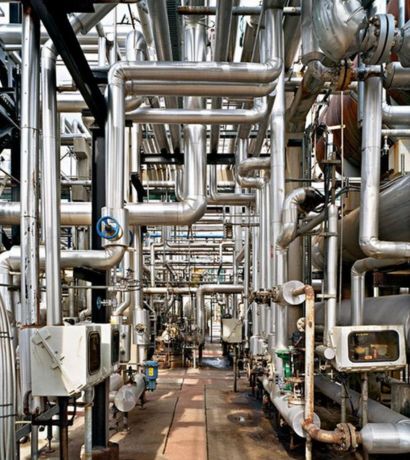
HVAC Pipeline
HVAC Pipeline systems play a vital role in heating, ventilation, and air
conditioning applications. These pipelines ensure efficient flow of chilled
water, hot water, refrigerant, or air throughout industrial, commercial, and
residential buildings, providing reliable temperature control and energy
efficiency.
HVAC Pipeline – Key Features
-
Precision Fabrication:
Accurate pipe cutting, welding, and alignment for leak-free performance.
-
High-Quality Materials:
Uses MS, GI, SS, or copper pipes as per HVAC system requirements.
-
Thermal Efficiency:
Proper insulation to minimize heat loss and improve system efficiency.
-
Corrosion Resistance:
Protective coatings and finishes for long service life.
-
Customized Layout:
Designed to suit site conditions and equipment placement.